Verdict
Ragnarok Online's job system and card-based itemization still make for one of the deepest classic MMORPGs around, but its age shows in the grind and the dated presentation.
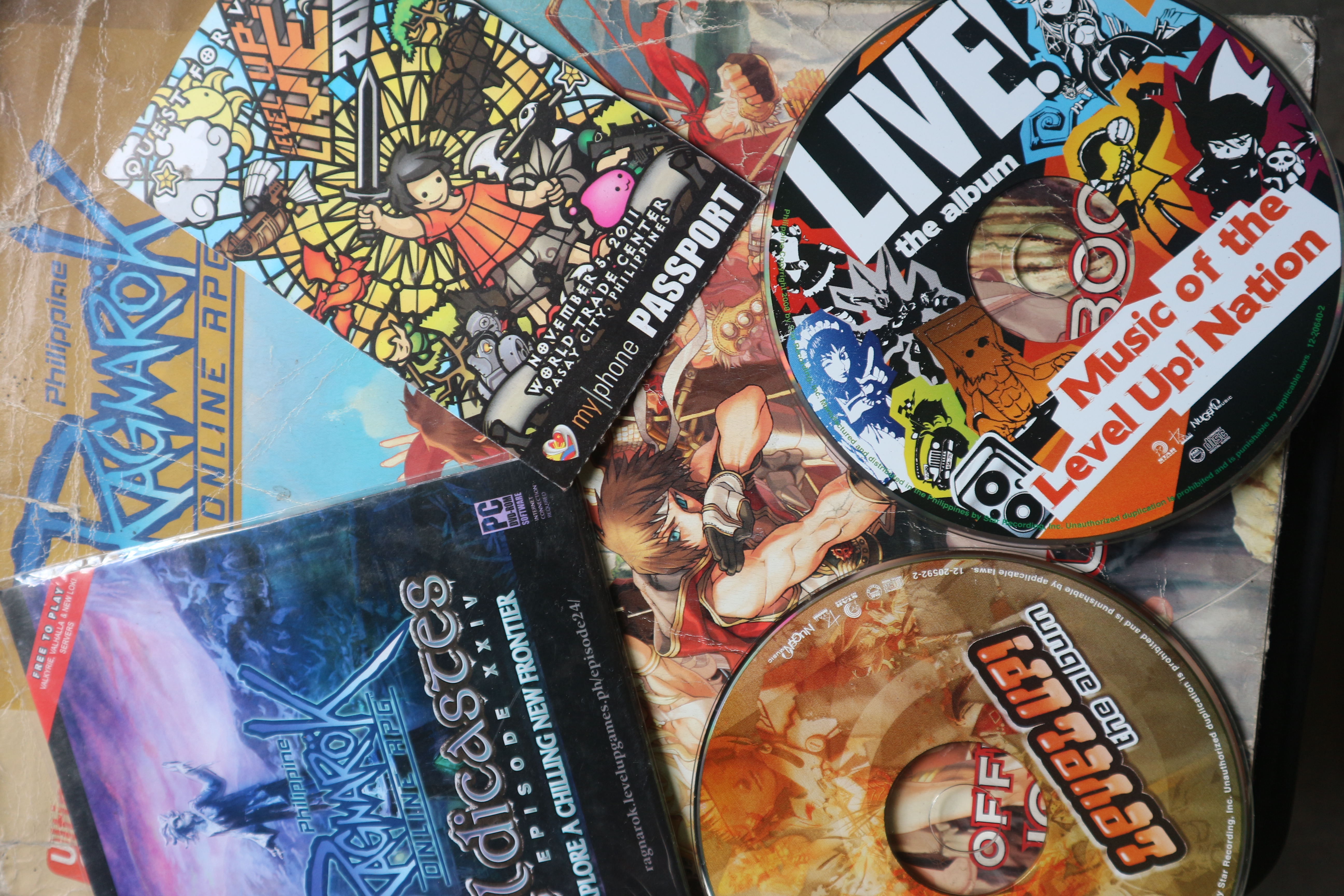
Ragnarok Online doesn't get to call itself a "live-service game" the way modern titles do — it basically invented the template before the term existed. Gravity Co.'s isometric MMORPG has been running continuously for over two decades across official regional servers and a sprawling private-server ecosystem, and it's still adding content. We went back in — one Novice, six job choices, and a whole lot of muscle memory later — to see how it holds up in 2026.
Play Ragnarok Online free on Steam and roll your first job today.
Partner link — GamerBorn may earn a commission at no extra cost to you.
The essentials: a job tree deeper than it has any right to be
Every character starts as a Novice before branching into one of six First Job classes — Swordman, Mage, Acolyte, Archer, Merchant, or Thief — each of which later splits again into Second Job classes, and eventually into Transcendent or Third Job tiers with their own skill trees layered on top. The system tracks two separate progressions at once: your Base Level, which represents overall power and stat points, and your Job Level, which tracks mastery of your current class and unlocks skill points.
That dual-track structure sounds like busywork on paper, but in practice it's the reason Ragnarok Online still has more genuine build diversity than most modern MMORPGs manage in their entire class roster. A Priest built for support plays nothing like a Priest built for solo grinding; a Blacksmith optimized for crafting plays nothing like one optimized for melee damage. The branching paths give the job system a longevity that flatter, more streamlined MMO class designs can't match.
The experience: cards, sieges, and a economy built on hunting
The other pillar that's kept Ragnarok Online alive is its card system — nearly every monster in the game can drop a card that slots into equipment for a stat bonus or special effect. Chasing specific cards from specific monsters turns ordinary grinding into a long-term hunt with real itemization payoff, and it's a system few later MMORPGs have replicated with the same depth. Stacking the right combination of cards on a full gear set is still one of the most satisfying min-max loops in the genre.
At the top end, Ragnarok Online's War of Emperium — large-scale guild sieges fought over castles that grant real, ongoing benefits to the owning guild — remains a genuinely distinctive end-game hook. It's PvP with actual stakes attached, not just a leaderboard, and it's part of why dedicated guilds have stuck with specific servers for years. MVP hunting (taking down powerful unique monsters) adds another layer of end-game structure for players who'd rather chase bosses than sieges.
The limits: this is still a 2002-era MMO under the hood
None of that changes the fact that Ragnarok Online plays like what it is: a game designed around early-2000s expectations for pacing. Leveling past the midgame slows to a crawl without efficient farming spots or party grinding, gear upgrades can eat significant time investment, and the UI — menus, inventory management, skill windows — hasn't fundamentally modernized even where newer client versions have added quality-of-life patches. If you go in expecting the onboarding smoothness of a 2026-era MMO, the friction will be obvious within the first few hours.
Server choice also matters more than it should. Official regional servers (like iRO internationally or kRO in Korea) offer the "canonical" experience with official events and support, but population and content pacing vary by region and era of the game they're running. The private server scene is enormous and often offers faster rates or custom content, but quality and stability swing wildly from server to server — there's no single, unified "current" version of Ragnarok Online the way there is with most live-service titles.
Who it's for
Ragnarok Online is for players who want genuine build depth and don't mind that depth coming wrapped in dated presentation and a real time investment. Nostalgia is part of the pitch, but it's not the whole pitch — the job system and card economy are still legitimately well-designed systems, not just things that were good in 2003. If you want fast onboarding, modern combat feel, or a single well-maintained live service, this isn't it. If you want a class system you can spend a year still discovering the edges of, it's hard to find a better classic option.
Verdict
Ragnarok Online earns its status as a genre landmark honestly — the job tree and card system remain genuinely deep, and War of Emperium is still one of the more meaningful PvP structures in any MMORPG. But the grind, the dated UI, and the fragmented server landscape are real costs of admission for a 2026 player. It's less a game to casually dip into and more one to commit to, the way its longest-running players clearly have.
Rating: 7.8/10 — Dated in places, but the job and card systems still hold up as some of the deepest in the genre.
Play Ragnarok Online free on Steam and see the job system for yourself.
Partner link — GamerBorn may earn a commission at no extra cost to you.
Pros
- Job tree system still offers more build variety than most modern MMOs
- Card system turns itemization into a long-term meta-game of its own
- War of Emperium guild sieges remain a genuinely unique end-game hook
- Distinct 2.5D sprite-on-3D art style that's aged into its own charm
Cons
- Leveling and equipment grind is steep by modern standards
- Dated UI and combat feel compared to newer MMORPGs
- Server population and content pacing vary a lot between official and private servers